


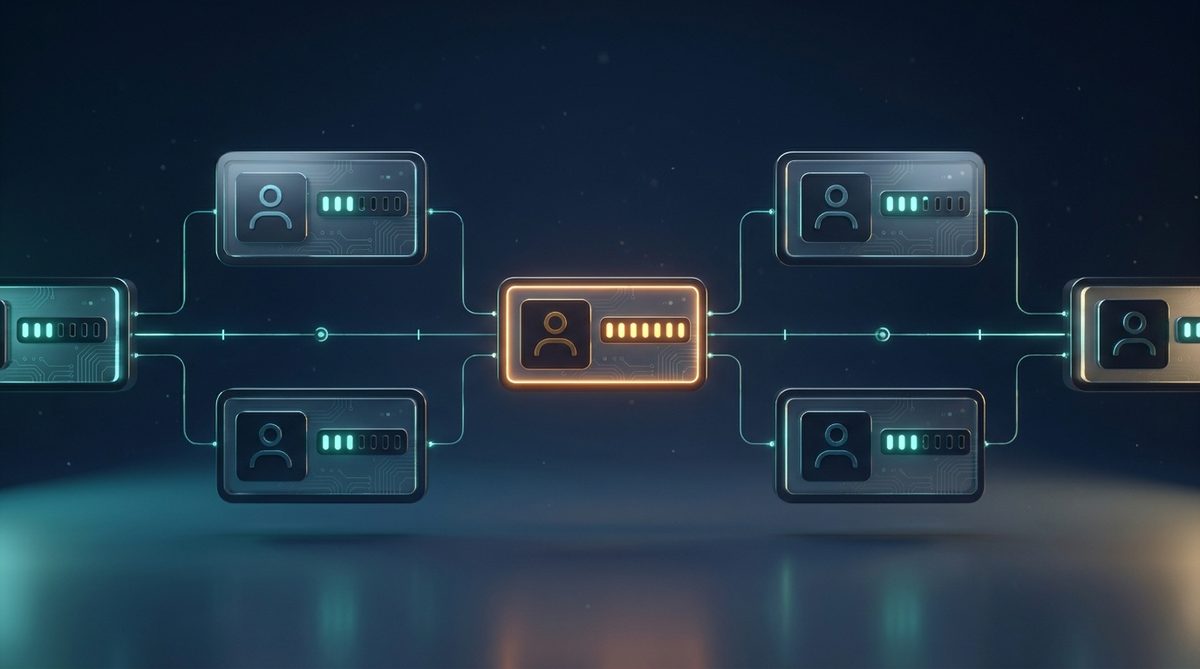

AI changed what a strong application looks like. ZeySearch uses structured evaluation to find who can actually do the job.
The Application Looks Great. That’s the Problem.
AI has made it easier for every candidate to present at their ceiling. Resumes are tighter. Cover letters are sharper. Answers to common interview questions arrive pre-rehearsed and well-framed.
For hiring managers, the result is a stack of job applications that all look roughly the same. The signal that once existed at the resume stage has moved. And if your evaluation process has not moved with it, you are spending more time filtering and getting less useful information in return.
This is not a pipeline problem. It is a process problem. It shows up most visibly in senior and specialized searches, where job descriptions have grown into wish lists, the cost of a mis-hire is high, and the difference between a strong candidate and the right one is rarely visible on paper. The unicorn hire looks great on a posting. It almost never walks through the door.
A Process Built Around What Actually Matters
ZeySearch starts before the search does. The most common reason senior searches stall is not a weak candidate pool. It is a job description that has not been properly grounded in what the role actually requires. When the job description is vague or overloaded, scoring becomes subjective, interviews go in different directions, and the team ends up debating candidates instead of comparing them.
ZeySearch addresses that directly. Here is how the process works:
- Zeytech reviews and refines the job description before the search begins, scoping the role against what the business actually needs rather than what sounds good on paper.
- Candidates sourced from LinkedIn and Indeed are vetted for genuine alignment, not credential matching alone.
- A package of second-level technical interviews, typically five to start, uses a consistent scoring framework across defined dimensions: technical depth, communication, relevant experience, and leadership capability.
- Every candidate is rated on the same scale with written commentary at each stage, so comparisons are grounded in evidence rather than impression.
- You receive a documented candidate package with scored summaries that let your team prioritize conversations with the candidates who actually warrant them.
- Additional interviews can be purchased if the search requires a deeper pool.
The engagement cost is $3,000 to $5,000 depending on role complexity. If Zeytech presents a candidate you select, a 10% recruiting fee applies at that point. If you end up hiring from your own applicant pool, no further fees are owed.
Consistent scoring across a grounded job description is what separates a defensible hire from an expensive guess.
Where ZeySearch Got Its Name
Bemis Manufacturing, a family-owned manufacturer headquartered in Sheboygan Falls, came to Zeytech with a VP of IT search that generated 72 resumes. The role sat on the executive leadership team and carried responsibility for ERP modernization, cybersecurity, and a culture built on trust and multi-generational values. Technical qualifications were table stakes. Everything else would determine whether the hire succeeded or struggled.
Mike Klein, Bemis’s VP of HR, engaged Zeytech for both the process and the network. Not every strong candidate is actively looking, and not all of them are on the boards you are already posting to.
From there, Zeytech worked with Klein to build a scoring framework across four dimensions and apply it consistently from the first candidate to the last. The structured interviews were designed to surface not just what candidates know, but who they are. How they lead under pressure. How they build trust. How they operate when the answer is not obvious. The process let the team redirect time away from filtering and into deeper conversations with candidates who had already demonstrated real alignment.
Klein’s description of what modern screening demands stuck with us. Evaluating senior leadership today, he noted, has become a full contact sport. It requires both formal interviews and hands-on practicum-style discussions to separate candidates who can talk about a skill from those who can actually perform it.
The tailored nature of the engagement and the outsized impact it delivered for Bemis is what gave ZeySearch its name. Klein’s team was the first to use it that way, and it stuck.
More Context
If you want to go deeper on the forces driving these hiring challenges, two recent articles cover this. One is The talent drought isn’t going away – so what’s your plan? – The Business News and the other is the dedicated Q2 issue of New Business Review, which covers the terrain well on the structural talent shortage facing SMBs and how AI is reshaping senior technology hiring specifically. Both are worth a read if you are thinking through your next search.
ZeySearch was built in response to exactly what those articles describe. The process problem is real. The solution is a better process.
Ready to Run a Search That Holds Up?
If you’re filling a senior or specialized role, let’s talk about what a structured search looks like for your team.